Adjusting to New Dentures: When You Should Replace Your Old Dentures
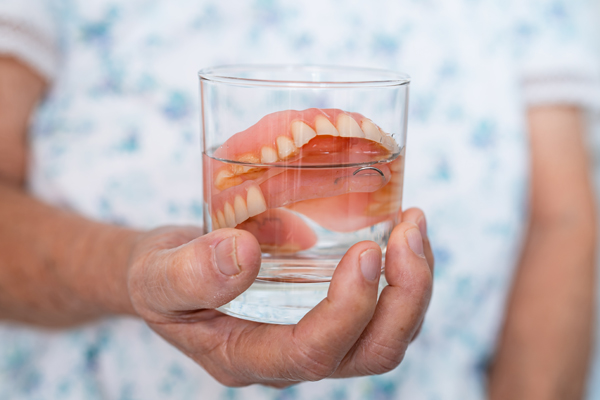
Adjusting to new dentures is a familiar feeling to the 36 million Americans that have no teeth, according to the American Dental Association (ADA). Dentures allow those Americans to eat and speak normally when they have lost their natural teeth to age, gum disease, or dental trauma. Unfortunately, even the best dentures are expected to last only 7-10 years. If you are unsure whether it is time to replace your dentures, keep these signs in mind.
Changes in fit
Commonly, dentures stay in place through implants, a close fit to the gums and jaw bone or, for partials, a clasp that fits onto a natural tooth. All of these are custom-made to match your mouth's anatomical structure. However, when teeth are missing, this structure is not always constant. Other teeth settle into a new position, gums shift or recede, and jawbones shrink as they are resorbed. Consistently wearing your dentures helps fix teeth and gums in place, and exercising your jaw can prevent bone resorption. However, some changes are still to be expected over the years. Left unaddressed, loose dentures not only cause discomfort and difficulty in talking and eating; they may also irritate gum tissue or trap food and plaque, leading to sores and lesions that further worsen the issue.
Often, it is apparent when dentures are loose because they shift or even fall out. You can also tell that you may have a fit issue if they make a clicking sound when you eat or speak, or if you have a hard time speaking clearly. Your dentist may also detect changes in your mouth's structure during regular visits by taking impressions and comparing them to previous ones.
Relining dentures
For relatively new dentures, a complete replacement may not be necessary if they stop fitting properly. Instead, if the changes are minor, a dentist can reline your dentures in the office. The process consists of adding or replacing the base material where it comes into contact with the gums. Relining saves you the cost of full replacement and the period of adjusting to new dentures. You can talk to your dentist about this option during your regular visits.
Damage and wear
Taking good care of your dentures extends their lifespan and keeps them fitting properly. Still, accidents can occur and regular use does wear on the materials. Besides teeth chipping or breaking off, signs of damage to your dentures include:
- Deterioration of materials
- Stained or discolored teeth, typically caused by the formation of cracks
- Visibly bent or warped base
- Irritated gums or tongue
- Pain and discomfort while chewing or speaking
- Unexplained pain or discomfort in the jaw or neck
Attempting to fix damaged dentures on your own is not recommended, especially fixing the base, as this is likely to worsen the issue.
Damage can be mitigated through proper care: regular brushing and cleaning with cold water and approved cleaning solutions. Do not use abrasive materials or products containing bleach or peroxide. Also, avoid chewing or biting down on very hard foods.
Conclusion
While adjusting to new dentures is rarely enjoyable, your old ones eventually need to be replaced. Be aware of signs of damage or changes in fit to know when it is time to invest in a new set.
Request an appointment here: https://lovableteeth.com or call Cosmetic & Family Dentistry at (407) 270-1429 for an appointment in our Orlando office.
Check out what others are saying about our dental services on Yelp: Adjusting to New Dentures in Orlando, FL.
Related Posts
After a root canal, the body begins a natural healing process that quickly restores comfort and dental health. While this is a common procedure that has a negative reputation, many patients feel nervous about undergoing pain treatment. Fortunately, recovery is usually smooth, straightforward, and manageable. Having clear expectations about post-treatment care in advance helps ease…
Dental bridge treatment offers an effective solution for replacing missing teeth, and in some situations, it may be a better choice than a dental implant. While both options restore appearance and function, the right recommendation depends on several factors, including oral health, treatment goals, and overall circumstances. A general dentist evaluates each patient's unique needs…
A smile makeover offers a fresh start for anyone looking to boost their confidence with a more radiant, balanced appearance. Oftentimes, this transformation involves much more than just a quick fix or a surface-level change. Choosing the right dentist ensures your plan respects the unique anatomy and overall goals.Dream results begin with a healthy foundation…
Knowing how to handle common dental emergencies can help protect the health, function, and appearance of the smile. Emergency dentists often see patients who need immediate dental treatment for severe issues. These simple tips provide valuable guidance on what to do in common dental emergencies to improve oral health outcomes.An emergency dentist is a general…