When You May Need Dental Core Buildup Before a Dental Crown
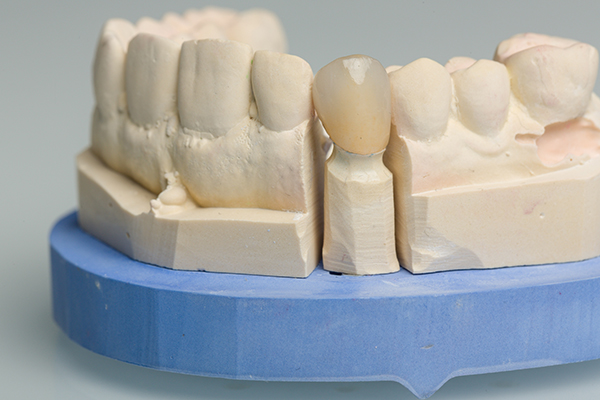
When a dentist recommends dental crowns to restore damaged or decayed teeth, patients frequently have questions about the preparation process. In some cases, individuals may need a dental core buildup to create a stable foundation for the new restoration. Understanding why this procedure is necessary can help you feel more comfortable and confident before your upcoming appointment.
What is a dental core buildup?
A dental core buildup replaces missing tooth structure lost to severe decay, deep cracks, or previous dental work. Dentists use tooth-colored composite resin or other durable materials to rebuild the center of the tooth. This material mimics the natural shape and proportions of the tooth before the damage.
The main goal of the procedure is to provide sufficient support for the new restoration. Without a healthy, natural structure, a dental crown cannot remain in place for long. Thus, a core buildup provides the crown with a stable base for a secure grip.
The importance of establishing a solid foundation
While dental crowns act like protective shields for broken teeth, the final restoration relies on the natural base of the tooth to which it is attached. For teeth with extensive damage, the remaining enamel and dentin cannot hold the new cap securely. As a result, the weak base can lead to loose restorations or premature structural failure.
Fortunately, a dental core buildup restores both the physical volume and the strength of the tooth structure. This additional reinforcement prevents future fractures under heavy pressure from everyday chewing and biting forces. It also allows the tooth to distribute bite forces evenly across the jawbone, protecting the surrounding teeth from damage.
Signs a tooth needs a dental core buildup
During an evaluation, the dentist will examine the condition of the tooth. Certain conditions almost always require a dental core buildup to ensure long-term success. The most common situations include the following dental issues:
- Severe decay affecting the enamel
- Large silver or resin fillings
- Significant fractures or broken cusps from injury
- Advanced enamel loss due to bruxism
- Post root canal therapy
- Short tooth with limited surface area
A quick evaluation helps the dentist determine the best approach for the structural repair. This step ensures that the final crown fits perfectly and functions without any future issues.
What to expect during the appointment
First, the dentist removes any active decay or old restorative material from the tooth surface. Next, the practitioner applies a special liquid agent to ensure the material adheres to the clean area. The dentist then places the composite layers and hardens them with a specialized blue light. Completing the core buildup typically takes about five to 10 minutes.
Once the material solidifies, the dentist shapes the core to look like a naturally prepared tooth. The dental team takes digital scans or physical molds for the impression. Finally, a temporary crown shields the new foundation until the permanent restoration arrives for final cementation. In some cases, the dental office may offer same-day crowns, skipping the need for a temporary restoration and a second appointment.
Protect the long-term longevity of your restoration
A stable foundation from a dental core buildup helps ensure dental crowns last as long as possible. If you have a tooth with major structural loss, a dental core buildup provides the strength necessary to restore your tooth’s long-term integrity. If you believe you need a crown or would like to discuss a treatment plan, contact Cosmetic & Family Dentistry today to schedule an appointment at our Orlando office.
Request an appointment here: https://lovableteeth.com or call Cosmetic & Family Dentistry at (407) 270-1429 for an appointment in our Orlando office.
Check out what others are saying about our dental services on Yelp: Dental Crowns and Dental Bridges in Orlando, FL.
Related Posts
A damaged dental crown can cause discomfort and disrupt the functionality of your teeth. Whether the crown has cracked, chipped, or fallen out, addressing the issue promptly is crucial for preserving your oral health. Dental crowns are designed to protect and restore damaged teeth, but taking the right steps can prevent further complications when they…
Restoring a smile does not need to be complicated; in fact, a dental crown makes tooth repair simple in many cases. From chips and cracks to restoring damage from cavities, it can serve as a new biting surface for the tooth. Since it can mimic natural tooth material, other people will not be able to…
Dental crowns can treat many different concerns. They can repair damaged teeth, attach to dental implants for teeth replacement, and more. Two of the main types of dental crowns are metal and porcelain crowns. Both are effective solutions, but one may be preferable to another depending on the intended purpose.Your dentist should help you decide…
Dental bridge treatment offers an effective solution for replacing missing teeth, and in some situations, it may be a better choice than a dental implant. While both options restore appearance and function, the right recommendation depends on several factors, including oral health, treatment goals, and overall circumstances. A general dentist evaluates each patient's unique needs…