When a Dental Bridge May Be Better Than a Dental Implant
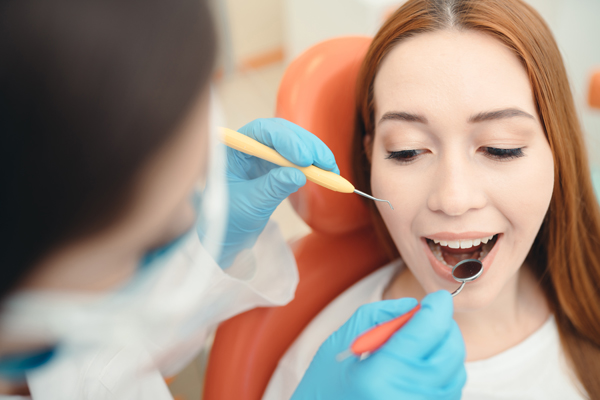
Dental bridge treatment offers an effective solution for replacing missing teeth, and in some situations, it may be a better choice than a dental implant. While both options restore appearance and function, the right recommendation depends on several factors, including oral health, treatment goals, and overall circumstances. A general dentist evaluates each patient's unique needs to determine which restoration provides the greatest long-term benefit.
Both options replace missing teeth
A dental bridge fills the space left by one or more missing teeth by anchoring an artificial tooth to neighboring natural teeth or existing dental crowns. A dental implant replaces the missing tooth root with a titanium post before supporting a custom crown. Both treatments improve chewing, speech, and smile appearance, but they accomplish these goals in different ways.
During a comprehensive examination, a dentist evaluates the gums, supporting bone, adjacent teeth, bite alignment, and overall oral health before recommending the most appropriate treatment.
A dental bridge may provide faster treatment
One advantage of a dental bridge involves a shorter treatment timeline. Because the procedure does not require placing an implant into the jawbone, treatment often finishes within just a few appointments. Patients seeking a quicker restoration after tooth loss may appreciate this streamlined approach.
Dental implants typically require several months of healing after placement before the final crown can be attached. While that timeline supports long-term success, it may not suit every patient's schedule or treatment goals.
Some patients may not qualify for dental implants
Successful dental implant treatment depends on adequate jawbone volume and healthy surrounding tissues. Bone loss following tooth loss or certain medical conditions may limit implant eligibility without additional procedures such as bone grafting.
In these situations, a dental bridge may restore the missing tooth without requiring surgical treatment. If the neighboring teeth already need crowns because of large fillings, fractures, or wear, incorporating them into a bridge may provide additional restorative benefits.
Cost and treatment preferences matter
Every patient approaches dental care with different priorities. Some individuals prefer to avoid oral surgery, while others seek the most conservative treatment that fits their budget or timeline. A dentist considers these preferences alongside clinical findings when discussing replacement options.
Factors that may favor a dental bridge include:
- A desire to avoid oral surgery
- A shorter overall treatment timeline
- Neighboring teeth that already require crowns
- Limited bone support for an implant
Reviewing these considerations together helps patients make informed decisions that align with both their oral health and personal goals.
Personalized care leads to the best outcome
Although dental implants offer excellent long-term success for many patients, they are not always the ideal solution. A dental bridge continues to provide a durable, attractive, and highly functional option for replacing missing teeth in many clinical situations. Choosing between a dental bridge and a dental implant depends on several individual factors rather than one treatment being universally better than the other. Call our office for more information or to schedule a dental bridge consultation.
Request an appointment here: https://lovableteeth.com or call Cosmetic & Family Dentistry at (407) 270-1429 for an appointment in our Orlando office.
Check out what others are saying about our dental services on Yelp: Dental Bridges in Orlando, FL.
Related Posts
A dental bridge is a valuable solution for individuals with missing teeth, providing functional and aesthetic benefits. If you are considering dental bridges to restore your smile, you will need to determine whether you are a suitable candidate for this treatment.Let us discuss the factors that determine whether a patient is a suitable candidate for…
A damaged dental crown can cause discomfort and disrupt the functionality of your teeth. Whether the crown has cracked, chipped, or fallen out, addressing the issue promptly is crucial for preserving your oral health. Dental crowns are designed to protect and restore damaged teeth, but taking the right steps can prevent further complications when they…
Restoring a smile does not need to be complicated; in fact, a dental crown makes tooth repair simple in many cases. From chips and cracks to restoring damage from cavities, it can serve as a new biting surface for the tooth. Since it can mimic natural tooth material, other people will not be able to…
Dental crowns can treat many different concerns. They can repair damaged teeth, attach to dental implants for teeth replacement, and more. Two of the main types of dental crowns are metal and porcelain crowns. Both are effective solutions, but one may be preferable to another depending on the intended purpose.Your dentist should help you decide…